How Weather Conditions Affect Concrete Delivery and Placement
People seeking concrete delivery often want reliable, weather-aware service providers who can adapt to conditions affecting concrete placement and ensure quality results.
Understanding how weather conditions affect concrete delivery and placement is essential for property owners planning construction or renovation projects. Fluctuations in temperature, humidity, and precipitation can influence how concrete is transported, poured, and cured, ultimately impacting the durability and appearance of the finished work. By exploring this topic, property owners can gain practical insights into how to coordinate with experienced local contractors who are familiar with managing these weather-related challenges, ensuring that concrete projects proceed smoothly regardless of the forecast.
For those in the area considering concrete work, knowing how weather can impact delivery and placement helps in making informed decisions about timing and preparation. Local service providers have the expertise to adapt their methods based on current conditions, helping to prevent common issues like cracking, setting delays, or compromised strength. Keep reading to discover useful tips and how trusted local contractors can assist in navigating weather-related factors, ensuring a successful concrete project from start to finish.
- Concrete delivery services are essential when unpredictable weather conditions threaten to delay or compromise the integrity of a project, prompting local contractors to adjust schedules accordingly. During extreme heat or cold, local pros can modify delivery times or use additives to ensure proper curing and placement. In rainy or humid conditions, experienced service providers take precautions to prevent concrete from setting prematurely or becoming too weak. Windy days require careful planning from local pros to secure delivery equipment and avoid spillage or damage. When weather conditions are challenging, local contractors can advise on optimal timing and techniques to ensure successful concrete placement.


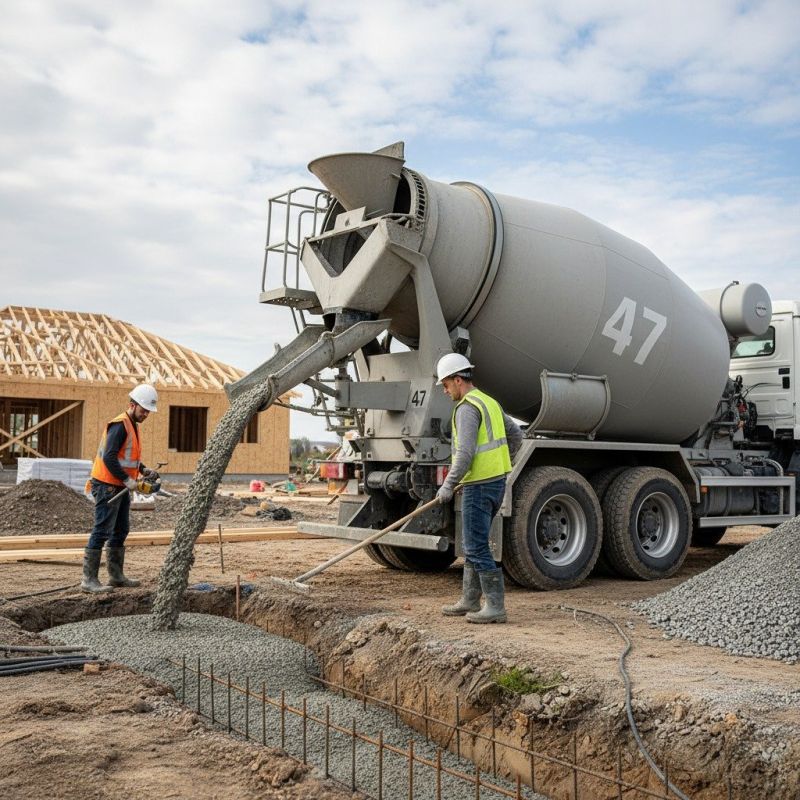
When people search for information on how weather conditions affect concrete delivery and placement, they are often planning or managing construction, renovation, or landscaping projects that involve pouring concrete. Homeowners and contractors alike want to understand how factors like temperature, humidity, rain, and wind can influence the quality and success of their concrete work. This knowledge helps them avoid common issues such as cracking, improper setting, or surface defects that can occur if concrete is poured under unsuitable weather conditions. Recognizing these weather-related challenges allows property owners to better schedule their projects and work with local contractors who can adapt to changing conditions.
This topic is closely related to a variety of property plans, including driveways, patios, foundations, sidewalks, and decorative concrete features. When weather conditions are unfavorable, the risk of delays or compromised results increases, which can impact project timelines and durability. For example, high temperatures may cause concrete to set too quickly, leading to cracking, while rain can wash away the surface or weaken the mixture. Understanding these potential problems helps property owners and planners make informed decisions about timing and preparation, ensuring that the finished work meets expectations. Local service providers are often experienced in adjusting their techniques and schedules to accommodate weather challenges, helping to protect the integrity of the project.
Properties that typically come up in discussions about weather effects on concrete include residential homes, commercial buildings, and public infrastructure. Each type of property has unique requirements and exposure to weather conditions, making it important to consider factors like climate and seasonal changes. For instance, a homeowner pouring a new patio might need to plan around forecasted rain or extreme heat, while a contractor working on a large commercial foundation may have to implement specific measures to mitigate weather-related risks. Local pros can provide guidance on the best times to pour and offer solutions such as protective coverings or additives that improve concrete’s resilience against weather influences, ensuring the project’s success regardless of the forecast.
Understanding how weather conditions affect concrete delivery and placement is essential for achieving durable, high-quality results in any property project. Homeowners and property managers benefit from working with local contractors who are familiar with their area’s climate and can adapt their methods accordingly. These professionals can help plan around weather patterns, recommend appropriate materials, and implement techniques that minimize weather-related issues. By partnering with experienced local service providers, property owners can better navigate the challenges posed by weather, ensuring that their concrete projects are completed smoothly and stand the test of time.
Road Construction Projects - these projects require careful planning of concrete delivery and placement, especially when weather conditions can impact timing and quality.
Commercial Building Foundations - ensuring proper concrete placement in varying weather conditions is essential for the stability and durability of large-scale structures.
Bridge and Overpass Construction - weather-sensitive concrete work demands experienced local contractors who can adapt delivery methods accordingly.
Outdoor Public Spaces - projects involving sidewalks, plazas, and parks depend on weather-aware scheduling and delivery strategies to prevent delays and defects.
Industrial Facility Foundations - these projects benefit from local service providers skilled in managing concrete placement amid changing weather conditions.
Residential Driveway and Patio Installations - weather considerations are crucial for smooth concrete delivery and proper curing in outdoor residential projects.

When evaluating concrete delivery services, it’s important to consider the experience of local contractors with projects similar to yours. Contractors who have handled concrete placement in various weather conditions will be better equipped to adapt their approach and ensure quality results despite challenges posed by weather. Asking about their past work in comparable environments can provide insight into their ability to manage the unique demands of weather-sensitive concrete projects, helping to ensure the job is completed smoothly regardless of fluctuating conditions.
Clear written expectations are crucial when planning for how weather conditions affect concrete delivery and placement. Reputable service providers should be able to outline their process, including how they plan to handle potential weather-related delays or adjustments. Ensuring there is a mutual understanding of the scope, timeline, and contingency plans can help prevent misunderstandings and keep the project on track, especially when weather factors such as rain, temperature, or wind could impact the work.
Good communication and reputable references are essential components when selecting local contractors for concrete projects influenced by weather. Service providers who communicate openly and respond promptly to questions demonstrate professionalism and reliability. Additionally, seeking references from previous clients can provide valuable insights into how well a contractor manages weather-related challenges and maintains quality standards under varying conditions. This combination of transparency and proven performance can help homeowners feel confident in the contractor’s ability to deliver successful results despite weather considerations.
Property owners often search for how weather conditions affect concrete delivery and placement when they are planning practical projects around their homes and businesses. Local pros provide Concrete Delivery services for everyday jobs and straightforward project options.
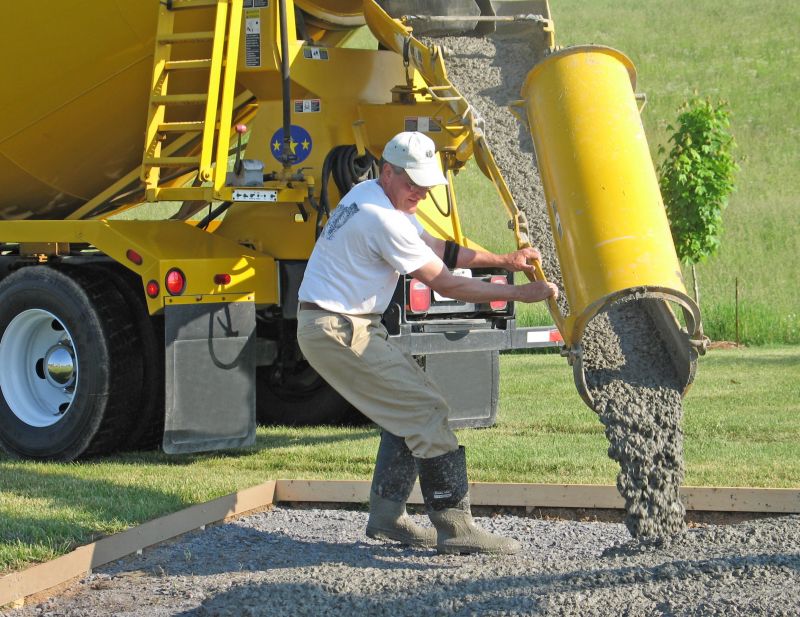
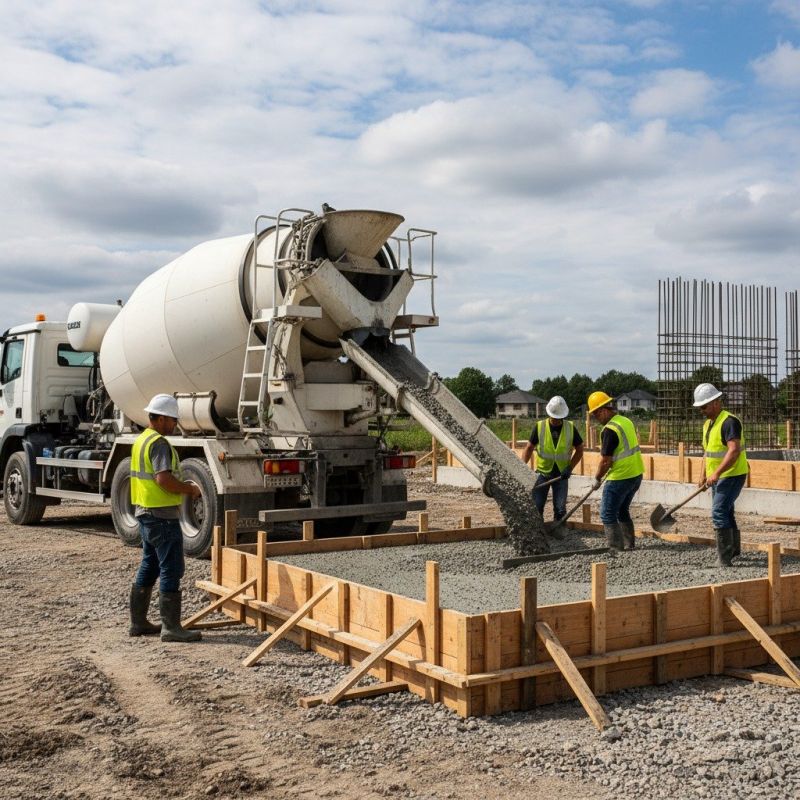
Weather conditions can significantly impact the delivery and placement of concrete for various projects around the area. For property owners planning to pour concrete, understanding how factors like rain, temperature, and humidity influence the process is important. For example, heavy rain can delay delivery schedules or cause issues with the concrete setting properly, while extreme heat might lead to faster drying times that affect the work’s quality. Local contractors are experienced in managing these weather-related challenges and can adjust their methods to ensure the concrete is placed correctly, regardless of the forecast.
Because weather can be unpredictable, property owners often look for guidance on how conditions might affect their project timelines and results. Service providers in the area are equipped to handle these variables by choosing the right delivery times or using specialized techniques to protect the concrete during placement. Connecting with local pros can help ensure that weather conditions are factored into the planning process, leading to a smoother project and a durable finished result.
How do weather conditions impact the timing of concrete delivery? Adverse weather like rain or extreme heat can delay or complicate concrete delivery, making it important for local contractors to plan accordingly to ensure proper placement.
Can weather affect the quality of concrete during placement? Yes, weather conditions such as high humidity, cold temperatures, or wind can influence how concrete sets and cures, which local pros can manage through appropriate techniques and timing.
What weather-related challenges might delay concrete placement? Heavy rain, freezing temperatures, or strong winds can hinder concrete placement, requiring experienced local service providers to adjust schedules or implement protective measures.
How do local contractors handle weather conditions during concrete delivery? They monitor weather forecasts closely and adapt delivery and placement plans to minimize weather-related risks, ensuring concrete quality and proper setting.
Why is it important to consider weather when scheduling concrete delivery? Because weather conditions directly influence concrete work, local pros can optimize timing and techniques to ensure successful delivery and placement despite weather challenges.
Monitor weather forecasts - staying informed about upcoming weather conditions can help property owners plan concrete delivery and placement when conditions are optimal.
Schedule work during mild weather - arranging projects for days with moderate temperatures and low wind speeds can improve concrete curing and reduce delays.
Choose experienced local contractors - working with service providers familiar with weather impacts ensures proper timing and techniques for concrete placement.
Adjust project timelines as needed - being flexible with scheduling allows for better handling of unexpected weather changes that could affect concrete setting.
If you are thinking about how weather conditions affect concrete delivery and placement for a property, this guide is meant to help you understand this topic, the typical project types, and how different options might fit your plans.
When you are ready, you can use the quote form on this page to share a few details about your project. From there, local pros can review the basics and follow up with options that match what you have in mind.